
How do you know if art therapy would be beneficial for your children?
Art therapy acts as a natural, developmentally appropriate modality for children and youths to express what they cannot yet put into words. Younger minds process experiences strongly through sensorial and visual frameworks long before they fully develop their complex verbal reasoning, traditional talk therapy can sometimes feel limiting or intimidating.
By using clay, paint, drawing, and other creative media, clinical art therapy bypasses these verbal barriers to lower distress, heal trauma, and build vital emotional skills.
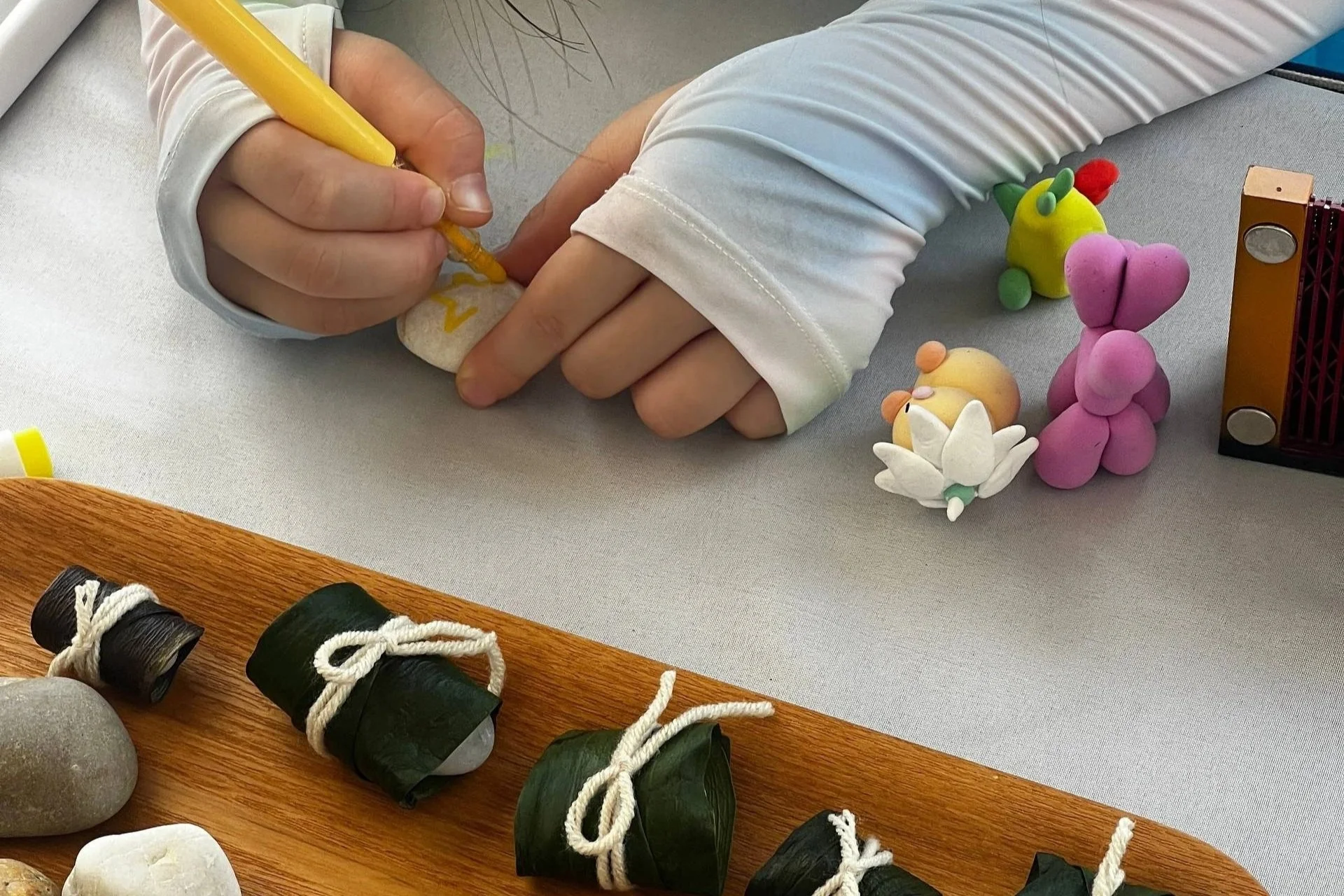
Core Benefits of Art Therapy for Children and Adolescents
Beyond Verbal Language: Children often lack the emotional vocabulary to describe anxiety, depression, or complex trauma, while teenagers may intentionally shut down out of defensiveness. Art therapy allows them to safely externalise their internal experiences symbolically using different art mediums, symbols, colors, and metaphors. Children with neurodevelopmental diagnosis such as Attention Deficit Hyperactive Disorder (ADHD) and Autism Spectrum Disorder (ASD) can benefit greatly from the non-verbal communication to express themselves, as well as building resilience and self-confidence.
Improves Emotional Regulation and Self-Control: The tactile and somatic nature of working with art materials has a grounding effect that physically regulates the nervous system, helping young people lower their heart rates, manage high-stress moments, and curb impulsive behavioral outbursts or tantrums.
Nurture Autonomy and Sense of Control: Children and youth, can feel voiceless or powerless when experiencing huge life events. The art created by them provides a different type of voice where they can advocate for themselves and are entirely in control of their choices within art therapy sessions — building self-efficacy and self-worth.
Improves Executive Functioning and Brain Integration: Creative and expressive activities in art therapy sessions activate multiple pathways across the entire brain simultaneously. Collaborating with the art therapist, choosing materials, planning a project, and solving visual problems develops critical thinking, connection, concentration, and emotional resilience.
Builds Social Connections: When practiced in a group setting, art therapy encourages "joint attention", “parallel art making” and collaborative storytelling. It helps neurodivergent youths (such as those with ASD) or socially withdrawn individuals practice interpersonal communication, form peer attachments, increase distress tolerance and develop empathy.
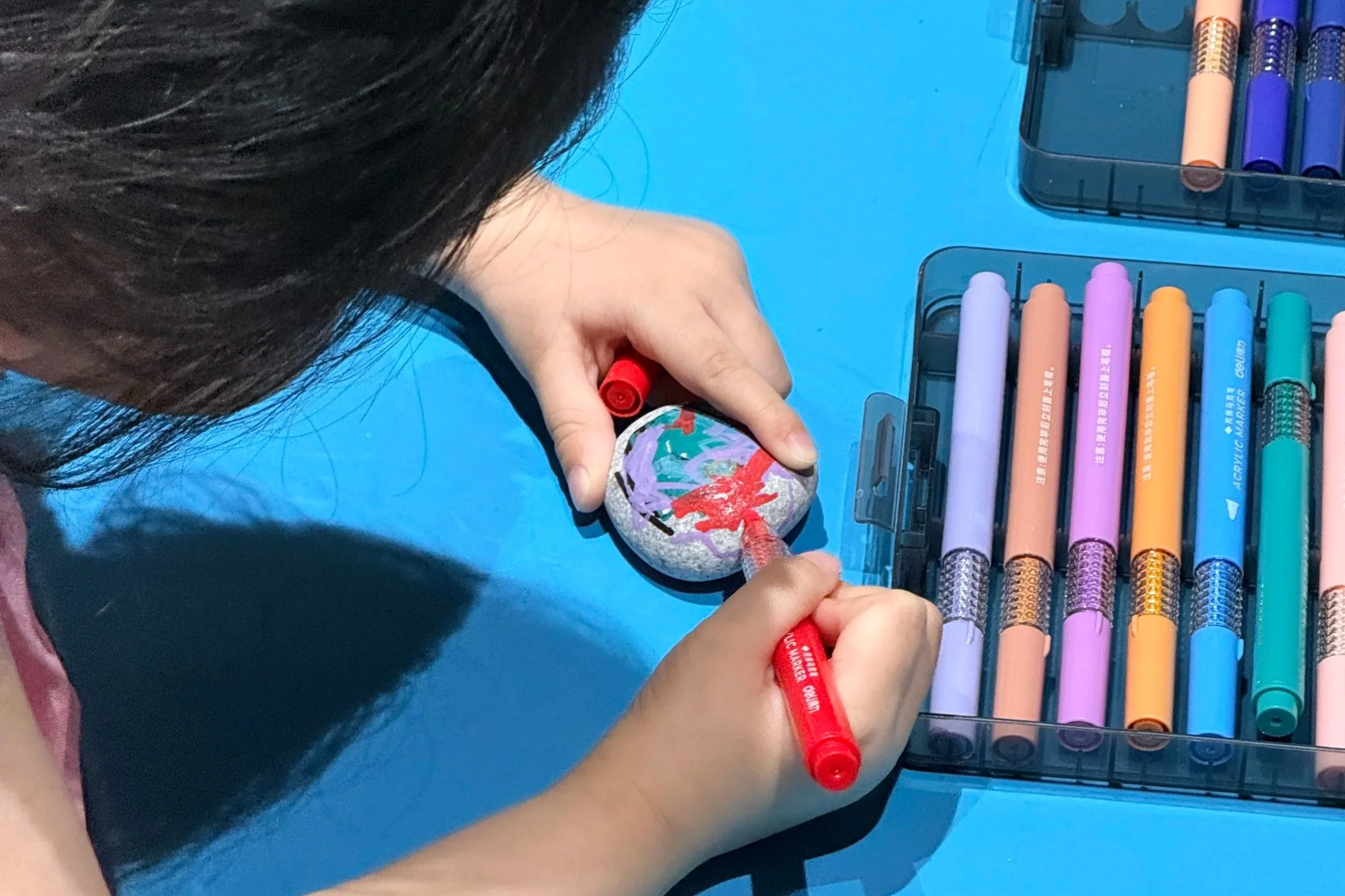
How Art Therapy Helps Youth and Their Challenges
Trauma and Post-Traumatic Stress (PTSD): Art therapy helps process memories of abuse or grief through gentle, non-intrusive methods.
Neurodevelopmental Differences: Highly effective for youth with ADHD, and Autism by leveraging action-oriented, sensory-rich integration rather than strict verbal compliance.
Academic and Internalised Stress: Alleviates school-related anxiety, social withdrawal, perfectionism, and depressive symptoms. Provides a safe space outside of the academic structure to externalise their feelings.
Life Transitions: Moving schools, or countries can be an incredibly difficult or traumatic event for a child, especially one with neurodevelopmental challenges. Art therapy at SPACE Art Therapy Studio can provide a stable anchor for the children to navigate these transitions in Singapore and the accompanying emotions.
Art and creativity is the natural expression and mode of language for children and youths. Art therapy is more than just drawing or painting — it utilises somatic movement, storytelling, poetry, clay, mess-making and much more to allow communication. Let art hold space for them in ways words cannot.
